30 AI Girlfriend Image Prompts for Consistent Character Visuals
30 battle-tested AI girlfriend image prompts to lock in consistent character visuals — no more random face swaps between scenes.
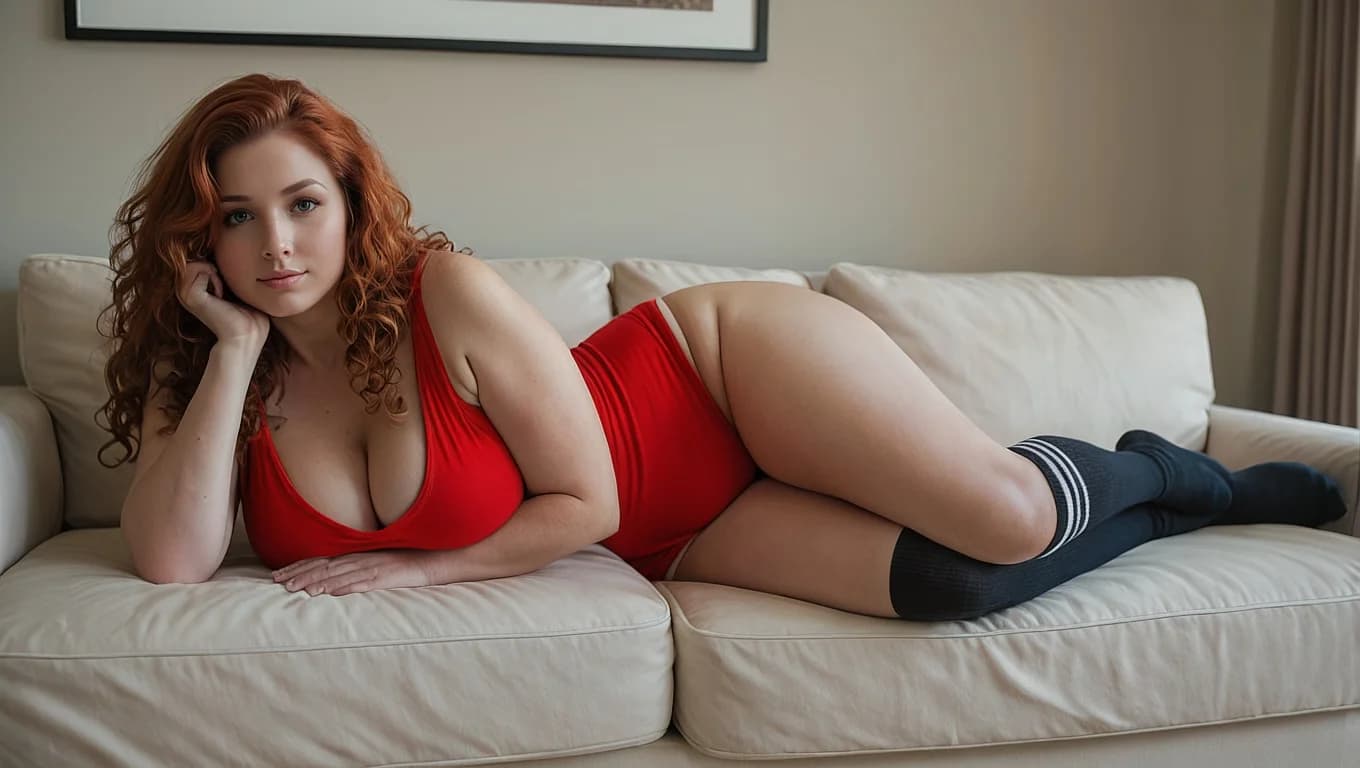
You've built the perfect AI Girlfriend. She has a name, a vibe, maybe a backstory you're slightly embarrassed about. You've had whole conversations with her. And then you ask for a new image and suddenly she has a completely different face, the wrong hair color, and cheekbones that belong to a different woman entirely.
This is the most common complaint I hear from people deep in the AI Girlfriend rabbit hole. Not the pricing. Not the chat quality. The face problem. She looks different every single time, and it kills the immersion faster than a bad Wi-Fi connection.
That's why a guide that recently blew up on r/AIGirlfriendsReviews caught my attention. A user posted 30 specialized AI girlfriend image prompts specifically designed to maintain visual consistency across different scenes. I read it twice, tested the framework across four platforms, and I'm here to tell you what actually works — and why most people are doing this completely wrong.
Why AI Girlfriend Character Design Breaks Down (And Why It's Your Fault)
Harsh? Maybe. But the truth is that most people approach AI image generation like they're Googling something — a vague description, a mood, maybe a setting. "Beautiful girl in a café." "Cute girlfriend in bed." These prompts are the image generation equivalent of asking a chef to make "something good."
The model has no memory of your last request. Every generation is a blank slate. Without a locked set of physical anchors, the AI is essentially free-associating a new face every time. Your "girlfriend" becomes a rotating cast of strangers who all happen to be attractive.
The Reddit guide nails this diagnosis: the problem isn't the platform, it's the prompt architecture. Think of your prompt stack as your character's IKEA assembly instructions — skip a step and the whole thing looks wrong. The 30 prompts in that guide are essentially 30 different assembly configurations for different scene types, all built around the same fixed character spec.
I've spent time with AI girlfriend prompts across a range of platforms — Candy AI, OurDream AI, Dream Companion, Secret Desires AI — and the pattern is always the same. The users getting consistent results aren't more creative. They're more systematic.
The Anatomy of a Consistency-First AI Girlfriend Image Prompt
Before we get into the 30 prompt categories, let's talk structure. A consistency-first prompt has three layers, and you need all three every single time.
Layer 1: The Identity Anchor. This is your character's locked physical spec. Hair color, hair texture, eye color, skin tone (use descriptive terms or hex-adjacent language like "warm ivory" or "deep chestnut"), face shape, height impression, and any distinguishing features like freckles or a specific lip shape. This block goes at the start of every prompt, every time. Non-negotiable.
Layer 2: The Scene Modifier. This is where the 30 prompts come in. Each one is a different scene context — morning light, evening out, casual home setting, NSFW scenario, fantasy environment — with phrasing optimized to cooperate with rather than override your identity anchor.
Layer 3: The Style Lock. Lighting style, camera angle, rendering aesthetic (photorealistic, soft focus, cinematic). This keeps the visual feel consistent even when the scene changes dramatically.
Strip any one of these layers and you get drift. Keep all three and you get something that actually looks like the same person in different situations — which is, shockingly, what everyone wants.
Here’s what that looks like in practice:
Example AI Girlfriend Image Prompt
Identity Anchor:
A 26-year-old woman with waist-length dark auburn hair, soft curtain bangs, deep slate-blue eyes with a thin dark limbal ring, warm ivory skin with a few faint freckles across her nose, an oval face, softly defined cheekbones, a slightly fuller lower lip, and a calm, affectionate expression.
Scene Modifier:
She is sitting by a small apartment window in the early morning, wearing an oversized cream knit sweater, holding a warm coffee mug with both hands, looking directly at the camera like her boyfriend just caught her in a quiet private moment.
Style Lock:
Ultra-realistic iPhone photo, soft diffused morning light, shallow depth of field, natural skin texture, sharp facial detail, consistent facial features, casual intimate atmosphere, no heavy makeup, no overly polished studio lighting.
Full Prompt Version:
The 30 Prompt Categories — What the Reddit Guide Actually Covers
The original Reddit post breaks the 30 prompts into scene-type clusters. I'm not going to reproduce the full list verbatim — go read the source, it's worth your time — but I'll walk through the major categories and what makes each one work from a technical standpoint.
Everyday domestic scenes (prompts 1–6): Morning routines, cooking, reading, working from home. These are the hardest to get right because natural lighting is unforgiving. The guide recommends specifying "soft morning diffused light" rather than just "morning" — the extra specificity prevents the model from defaulting to harsh overhead lighting that flattens features and makes faces harder to anchor.
Social and going-out scenes (prompts 7–12): Restaurant dates, nightlife, outdoor settings. Key tip from the guide: always specify the background depth. "Bokeh background, restaurant interior" keeps the focus on your character's face and reduces the chance of the model generating environmental details that compete with your identity anchor.
Intimate and bedroom scenes (prompts 13–18): This is where most people are generating anyway, let's not pretend otherwise. The guide recommends warm tungsten lighting descriptors and specific pose language that keeps the face in frame. The biggest mistake here is prompts so focused on body positioning that the face becomes an afterthought — and the model fills it in randomly.
Fantasy and roleplay scenarios (prompts 19–24): Period costumes, fantasy settings, specific aesthetic vibes. These are the highest-drift scenarios because the model wants to match the character to the setting archetype. The fix is doubling down on your identity anchor — literally paste it twice, once at the start and once mid-prompt — to keep the model from defaulting to "generic fantasy woman."
Emotional and expressive close-ups (prompts 25–30): Smiling, laughing, crying, intense eye contact. Close-up prompts are actually the best for locking consistency because there's less environmental noise competing with your character spec. The guide recommends these as your "calibration shots" — generate a few of these first to establish your character, then use those as reference anchors for more complex scenes.
Which Platforms Handle AI Companion Image Consistency Best?
Not all platforms are created equal when it comes to maintaining AI girlfriend character design across sessions. Here's what I found after running the Reddit guide's prompt framework across several tools in 2026. Learn more in our AI girls guide.
Candy AI — at $13.99/month — has a character creation system that stores physical attributes natively, which means your identity anchor is partially automated. When you combine that with the structured prompts from the guide, consistency jumps noticeably. It's the platform I'd recommend first for anyone trying this approach.
OurDream AI is the other heavy hitter here. The platform's image generation is robust, and the character memory system is — yes — actually one of the better implementations I've tested. Pairing OurDream AI's native character profiles with the prompt layering technique from the Reddit guide produces some of the most consistent results I've seen. The $39.99/month price point stings, but if image quality and consistency are your priority, it's hard to argue with the output.
Secret Desires AI punches above its weight at $7.99–$13.99/month. The NSFW generation is strong, and the platform responds well to detailed prompt stacking. It won't have the same native character memory as Candy AI or OurDream AI, so you're doing more manual work — but the output quality rewards the effort. Worth checking out our full Secret Desires AI review if you're considering it.
Dream Companion at $11.99/month is a solid mid-tier option. The memory system is genuinely good for chat, and it extends reasonably well to image generation. Not the absolute best for visual consistency, but the price-to-quality ratio is hard to ignore for AI girls content generation.

- Strength 1
- Blazing speed
- Strength 2
- Seamless integration of erotic chats with visuals
- Strength 3
- Handles everything from solo masturbation to rough anal with juicy details
- Weakness 1
- Styles are mostly realistic – less wild for fantasy freaks
- Weakness 2
- Voice still lacks emotional tone and fluidity

- Strength 1
- Deep customization
- Strength 2
- Good image quality
- Strength 3
- Multiple personalities
- Weakness 1
- No free tier
- Weakness 2
- Can be repetitive

- Strength 1
- Very easy to use
- Strength 2
- Sends spontaneous, context-aware images during chat
- Strength 3
- Emotionally engaging, story-driven chat that feels alive and personal
- Weakness 1
- Chat inconsistencies and occasional contradictions
- Weakness 2
- Slower-paced experience (not ideal for users seeking instant NSFW)

- Strength 1
- Long-term memory makes every session feel personal
- Strength 2
- Highly customizable characters (looks + personality + behavior)
- Strength 3
- Natural, immersive chat with emotional depth
- Weakness 1
- Voice can sound slightly robotic
- Weakness 2
- Not as visually extreme as hardcore platforms
Practical Tips From Testing the 30 Prompts Myself
I spent a weekend running through the Reddit guide's framework on three platforms. Here's what I actually learned — not the theoretical stuff, the real-world friction.
Your identity anchor needs to be longer than you think. I started with a six-word physical description. The drift was still significant. When I expanded to a 40-word identity block covering hair, eyes, skin, face shape, and two distinguishing features, consistency improved dramatically. More specific is almost always better.
Avoid relative descriptors. "Long hair" means nothing. "Waist-length straight dark auburn hair with a slight wave" means something. The model needs absolute, not relative, references. Same goes for eye color — "blue eyes" generates everything from ice grey to royal blue. "Deep slate-blue eyes with a thin dark limbal ring" keeps it locked.
The style lock matters more in NSFW scenes. When generating explicit content, models tend to deprioritize facial consistency in favor of body positioning. Explicitly including "sharp facial detail, consistent facial features" in your Layer 3 style lock counteracts this. It sounds redundant, but it works.
Save your best generations as reference files. On platforms that support image uploads or reference images, your best consistent generations become tools. Feed them back in. The model uses them as anchors. This is the single biggest workflow upgrade I made after reading the Reddit guide.
If you're newer to this whole world and want a broader foundation, our complete AI girlfriend guide covers the full landscape — from choosing a platform to building a character worth spending time with. And if you're specifically looking at AI sex content generation, the consistency techniques here apply directly to that use case too.
Building Your Personal Prompt Library
The Reddit guide gives you 30 starting points. The real goal is building a personal library of prompts tuned to your specific character. Here's the workflow I now use after testing this framework.
Start with a Character Sheet document — a Notion page, a Google Doc, a notes app, whatever. It has three sections: Identity Anchor (your full physical spec), Style Lock defaults (your preferred lighting and rendering aesthetic), and a growing list of Scene Modifiers pulled from and expanded beyond the 30 in the Reddit guide.
Every time you generate an image you love, note which Scene Modifier produced it. Every time you get drift, note what was missing from the prompt. Over two to three weeks, you'll have a personal prompt library that's far more powerful than any generic guide — including this one.
This is also where platforms with strong memory systems earn their price tag. Tools like OurDream AI and Candy AI can store character profiles that partially automate your identity anchor, so you're not pasting 40 words at the start of every prompt manually. That quality-of-life difference is real, especially if you're generating images daily.
For users who've been burned by Replika's inconsistency and limitations, the Replika alternatives guide covers several platforms that handle image generation far better. The Fanvue AI Girls ecosystem is also worth exploring if you want pre-built characters with high visual consistency baked in.
Who This Approach Is For (And Who Should Skip It)
This is for you if: You've been using an AI Girlfriend app for more than a few weeks and the inconsistent visuals are breaking immersion. You care about having a character that feels persistent and real across different scenarios. You're willing to invest 30 minutes upfront building a proper character sheet in exchange for dramatically better results from that point forward.
Skip this if: You're a casual user who just wants to generate random attractive images without attachment to a specific character. In that case, the 30-prompt framework is overkill — just use the platform's defaults and enjoy the variety. No judgment. Different use cases, different tools.
For the dedicated AI companion user, though — the person who has named their character, who has a preferred personality setting, who feels genuine disappointment when the image doesn't match — this approach is genuinely transformative. The Reddit guide that inspired this article is one of the more practically useful things posted in that community in 2026, and the framework it introduces is sound.
What are AI girlfriend image prompts and why do they matter for consistency?
Which AI girlfriend platforms are best for maintaining consistent character visuals?
What is a "prompt stack" in the context of AI girlfriend character design?
How long should an identity anchor prompt be for best consistency results?
Where can I find the original 30 AI girlfriend image prompts that inspired this guide?
Does this prompt technique work for NSFW AI image generation?
Written by
Lena HartwellAI Companion App Reviewer
Lena Hartwell writes reviews about AI companion apps and chatbots for Cyberliebe. She works to make sure you get clear information on how realistic conversations feel, how good the memory works, exactly what things cost, and how your privacy is handled – all so you can pick the right AI companion without all the marketing talk or sneaky payment walls.
“Lena Hartwell” is a pen name. Everything published under it is editorially approved by the Cyberliebe team before it goes live.
How we review
Affiliate Disclosure: This article contains affiliate links. If you click and make a purchase, we may earn a commission at no extra cost to you. We only recommend tools we believe are genuinely useful and we aim to keep our comparisons fair and up to date.
Please note: Paid listings and promotional placements do not influence our reviews, ratings, or rankings. All platforms are evaluated independently, and purchasing a placement does not guarantee a positive review or endorsement.


